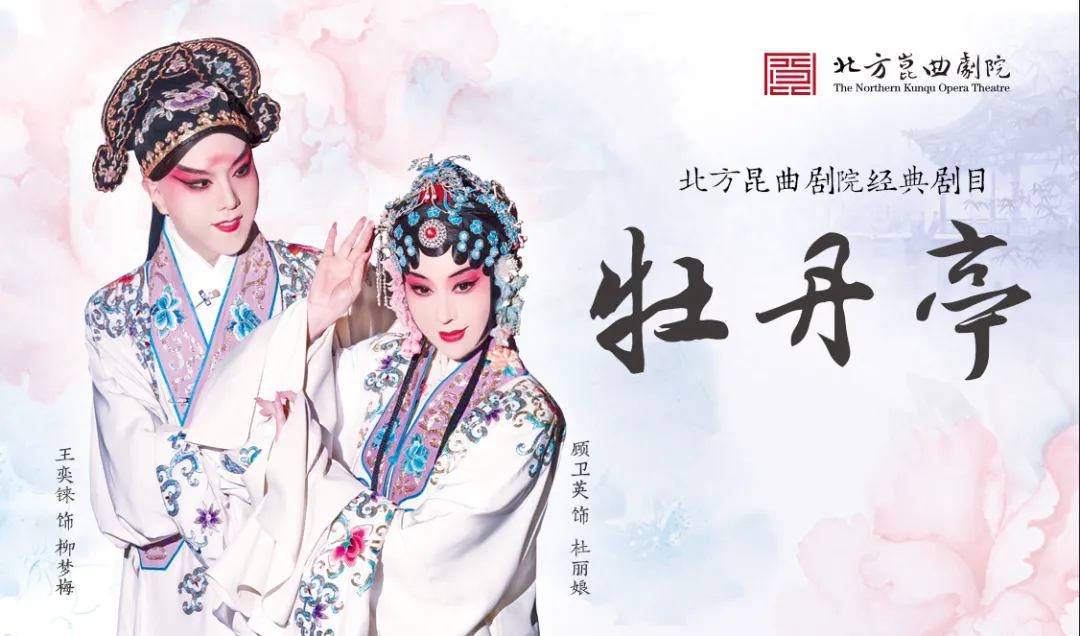
The Peony Pavilion
Introduction
"The Peony Pavilion" is a classic Chinese opera written by Tang Xianzu during the Ming Dynasty (1368-1644). Tang, an eminent playwright, crafted this work, which is considered one of the masterpieces of Chinese literature. The opera, originally consisting of 55 scenes, is a magnificent blend of romance, drama and the supernatural.
Plot Summary
The Peony Pavilion is about Du, a beautiful young woman, who falls in love with Liu, a handsome scholar, whom she meets in a dream. She wakes up and finds that her longing for this man is so strong that it gradually causes her to fall ill and die. After her death, she persuades a judge in the underworld to grant her permission to return as a ghost to find him. She eventually finds the man, who is staying at the temple where she is buried. They have a passionate love affair and wish to marry. When he opens Du's coffin, his love for her is so powerful that it brings her back to life, and they live happily ever after.
Cultural Significance
"The Peony Pavilion" is not only a cornerstone in Chinese opera but also an intricate piece of cultural heritage that reflects the socio-cultural dynamics of the Ming Dynasty. The opera's themes resonate with the Confucian ideals and the emerging individualism of the time. Tang Xianzu, through this work, explored the tensions between societal norms and personal desires.
Artistic Elements
The opera is renowned for its poetic lyrics, elegant diction, and rich characterizations. Tang's use of language and his ability to weave a complex narrative have been lauded as groundbreaking in the realm of Chinese dramatic literature.
The opera combines music, dance and acting, emblematic of Kunqu Opera, a form that emphasizes melodic and poetic expression through its intricate choreography and vocal techniques. The combination of these artistic elements makes "The Peony Pavilion" a feast for the senses, captivating audiences with its beauty and emotional depth.
Modern Interpretations
In recent years, "The Peony Pavilion" has experienced a resurgence in popularity, particularly through adaptations and performances that target younger audiences.
The "youth version", masterminded by Kenneth Hsien-yung Pai in collaboration with the Suzhou Kunqu Opera Theater, has been pivotal in reviving interest in the opera. This version condenses the original 55 scenes into 27, making it more accessible to modern viewers while retaining the essence of the story. Performances have been staged worldwide, introducing global audiences to this traditional art form and ensuring its place in the contemporary cultural landscape.
Global Influence and Recognition
"The Peony Pavilion" has not only captivated Chinese audiences but has also garnered international acclaim. Its performances have reached audiences in countries like the United States, the United Kingdom, Greece and Singapore, among others.
The opera's universal themes of love, longing and the triumph of the human spirit resonate across cultures, making it a timeless piece of art.








